Ledger Announces Atom Touchscreen Android Device
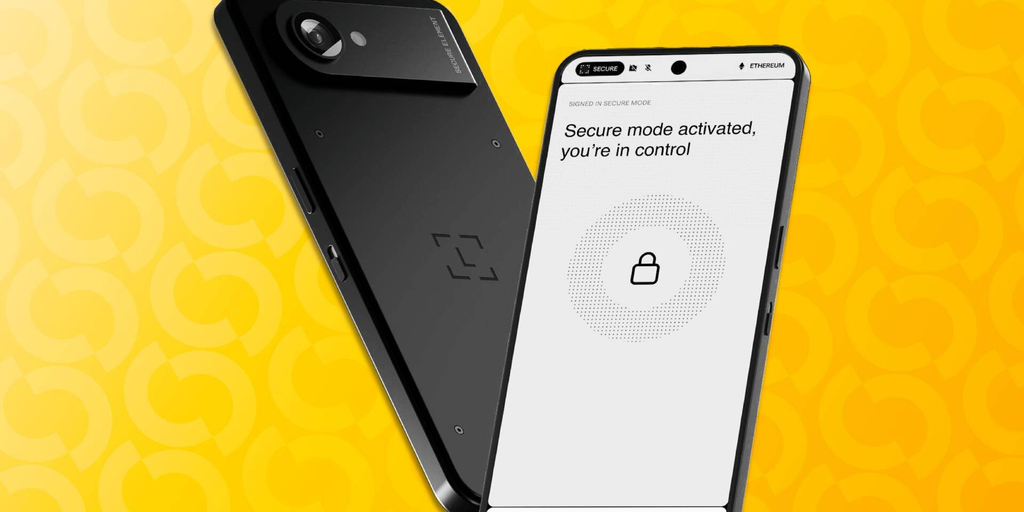
Ledger says the Android-based Atom will carry anti-tamper protections and be sold only on its site, as it probes tampered resold wallets.
1120 stories · all sources
Ledger says the Android-based Atom will carry anti-tamper protections and be sold only on its site, as it probes tampered resold wallets.
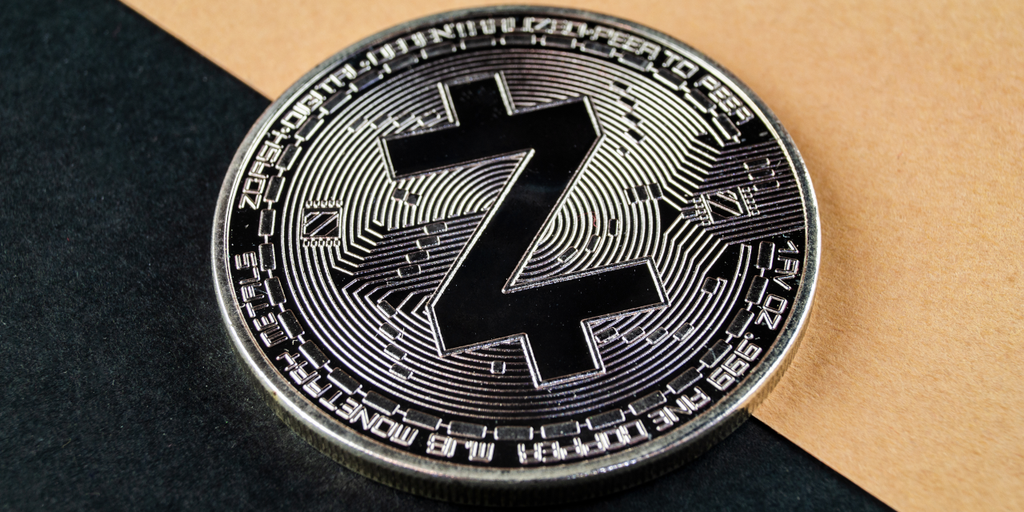
Experts blame a build up in leverage for Zcash's drop in value, as well as growing concerns about AI breaking crypto encryption.
Alpenglow is coming next week, slashing Solana finality from 12.8 seconds to a target of about 150 milliseconds—some 85 times faster.
Odds of an October Fed hike have climbed to 29% from 18% a week ago, and analysts see Bitcoin range-bound until the picture clears.
The scammers also ran a fake recovery service, contacting victims weeks later with promises to get their stolen crypto back.
After a summer of AI models escaping test environments and hacking real companies, hundreds of researchers say the internet itself should be treated as a security boundary.
Developer Brandon Thomas used Anthropic's Claude to build free, open-source replicas of Word, Excel and PowerPoint. They're rough, but they show how cheap cloning software has become.
A new Chainalysis report found payments through Coinbase’s x402 protocol surged from about 1,500 in mid-2025 to more than 138 million by Q3 2026, with U.S. wallets dominating spending on AI models.
Sberbank now holds both custody and exchange status under Russia's new crypto law, and plans to bring Bitcoin, Ethereum and USDT to apps used by 110 million retail clients.
Solana's Alpenglow upgrade replaces the TowerBFT voting system on October 21, cutting finality from 12.8 seconds to a target of 150ms and pulling vote transactions out of blocks entirely.
The British bank won Dubai regulatory approval to let affluent clients buy BTC and ETH straight from their bank accounts, with custody and settlement kept in-house.
In a detailed technical post, the exchange argued Bitcoin’s multi-year migration to quantum-resistant cryptography must begin before any “Q-Day,” laying out requirements spanning block space, custody and dormant coins.