US moves to seize $1.1 billion from Binance hackers without accessing their wallets
Quick Take
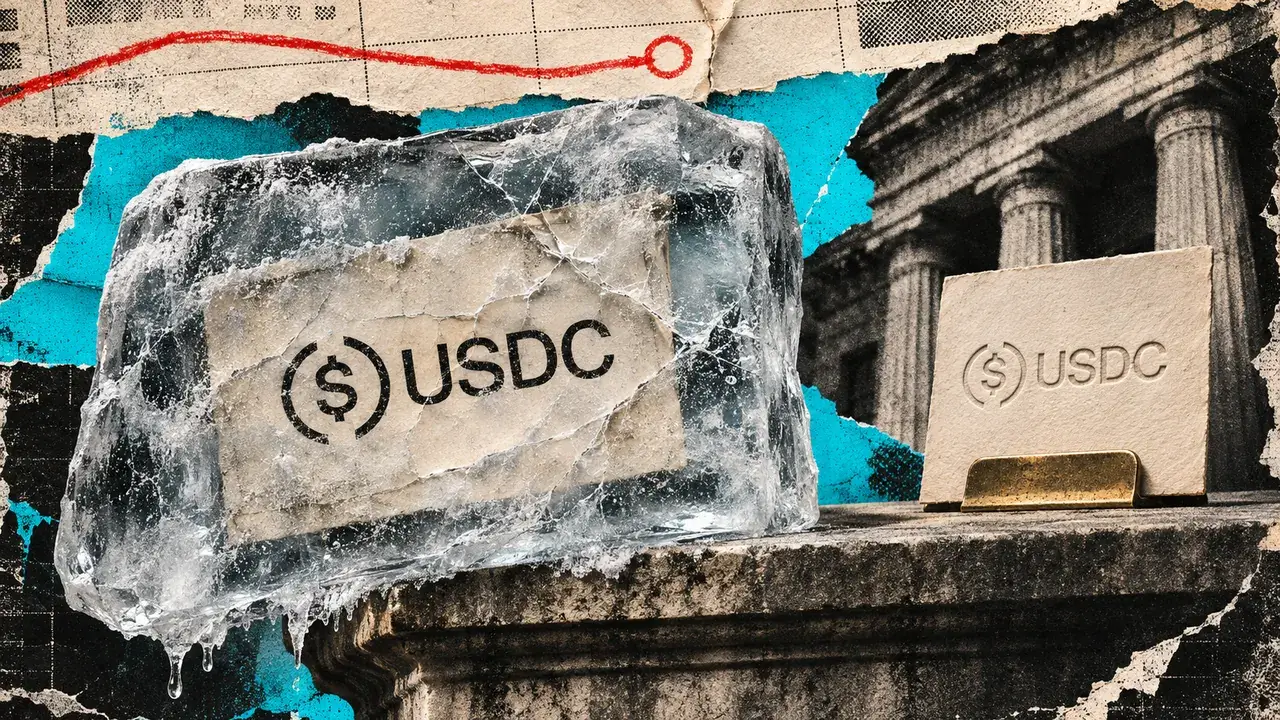
- US prosecutors seek to seize $1.1 billion in USDC stolen during Binance's October hack without accessing the attackers' private keys.
- Circle could issue replacement USDC to the government while the original tokens remain frozen, creating an unusual path to crypto recovery.
- The recovery awaits court approval as Binance cooperates with authorities and commissions independent security reviews following the $6 billion attack.

US prosecutors are seeking more than $1.1 billion in USDC stolen during the October Binance hack without accessing the attackers' wallets.
The Justice Department filed a civil forfeiture complaint in Washington, D.C., on Nov. 23, targeting frozen USDC associated with 36 wallet and smart-contract addresses across 18 blockchains.
Under the proposed recovery arrangement, stablecoin issuer Circle would create an equivalent amount of new USDC and transfer it to the US government if the court approves the forfeiture.
The original tokens would remain frozen in addresses allegedly controlled by the hackers.
Circle had already blocked approximately $1.1 billion in USDC following the Oct. 29 attack, which US authorities attributed to North Korea's Lazarus Group.
However, the company cannot directly transfer the frozen tokens because it does not control the private keys associated with the attackers' wallets.
Instead, its ability to block transfers and issue replacement tokens provides prosecutors with a mechanism to recover the value of stolen assets without obtaining the underlying wallets.
How Circle would issue new USDC
The forfeiture complaint describes a substitute payment to the U.S. government.
The proposed transfer would use new USDC equal to the blocked amount.
The complaint leaves the eventual treatment of the original tokens unspecified.
Sources
Supporting facts
- According to the complaint, Circle told prosecutors it could block the addresses from sending or receiving USDC but could not transfer the original tokens out. Circle agreed to issue an equivalent amount of new USDC and transfer it to the United States if the court orders forfeiture, leaving the original balances in the blocked addresses at the time of any substitute transfer. [1]
Method
The two tracks distinguish Circle’s existing transfer restriction from the conditional substitute issuance described in paragraph 34 of the federal complaint. No figures are calculated.
Scope
The complaint leaves the eventual treatment of the original tokens unspecified.
 CryptoSlate
Meanwhile, prosecutors are seeking a further restraining order to keep the stolen USDC immobilized while the forfeiture case proceeds.
The proposed arrangement highlights the recovery powers available through centrally issued stablecoins, unlike native Bitcoin and Ethereum, which a token issuer cannot freeze.
The Justice Department said US authorities have helped freeze, seize, or return more than $2.9 billion in cryptocurrencies since the attack, which resulted in over $6 billion in losses.
Binance backs forfeiture effort and orders independent security reviews
Binance welcomed the recovery effort, confirming that it was working with U.S. authorities and industry partners to retrieve stolen assets.
The exchange said:
“We are coordinating closely with the US Department of Justice, as well as with industry partners who have assisted in freezing assets impacted by the incident.”
Binance added that it would continue cooperating throughout the forfeiture proceedings to support the return of affected funds.
The exchange previously said it had replaced all affected customer token assets with its own funds by Nov. 13, drawing on its corporate treasury, futures insurance fund and emergency reserves.
Meanwhile, Binance announced the appointment of Mandiant, SlowMist and Verichains to conduct independent reviews of its security procedures following the attack.
The firms will examine its existing security infrastructure, identify potential weaknesses and assess its defenses against future cyberattacks.
Mandiant specializes in incident response and nation-state cyber threats, while SlowMist and Verichains provide blockchain security research and threat intelligence.
Binance Chief Security Officer Jimmy Su said the company was committed to acting on the reviewers' findings.
The announcement follows court filings describing how attackers allegedly compromised a Binance employee through malicious software distributed during a fraudulent recruitment interview before gaining control of exchange wallets.
The security reviews have not yet produced findings, leaving Binance's next defensive changes dependent on their conclusions.
Mentioned in this article


Editorial credits

Oluwapelumi values Bitcoin's potential. He imparts insights on a range of topics like DeFi, hacks, mining and culture, underlining transformative power.