The Fed could rescue bond markets and still make life harder for Bitcoin
Quick Take
- Logan proposes stronger lending tools and promptly reversible Treasury purchases while saying the market is functioning well.
- She favors at least two more quarter-point hikes, a personal preference distinct from the FOMC’s October rate hold.
- Funding relief could improve risk-taking conditions, but historical IMF research suggests monetary tightening can still weigh on crypto.

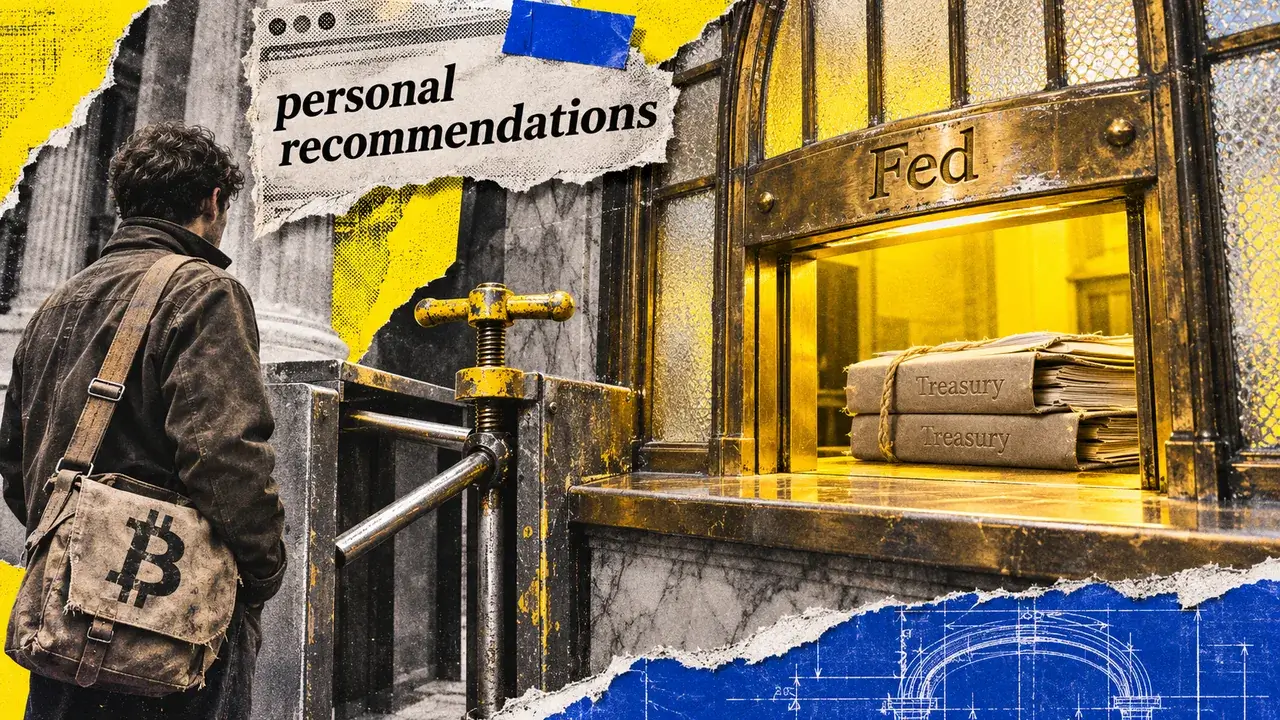
Dallas Fed President Lorie Logan proposed stronger tools to keep Treasury markets functioning during a crisis while leaving room for higher interest rates. Her November 13 remarks separate two potential influences on Bitcoin: relief from disrupted funding and pressure from further monetary tightening.
In the speech, Logan said the Treasury market was functioning very well and presented personal recommendations, rather than announcing an intervention or an adopted Federal Open Market Committee program. She said intervention should be reserved for extreme failures in intermediation; high or rapidly rising yields alone would not justify it.
Her rate outlook points toward further tightening. In November 10 remarks, Logan described current monetary policy as accommodative and called for at least two further quarter-point increases to make it modestly restrictive. She made the pace conditional on developments. The FOMC's October 28 decision had maintained the target range at 3.75% to 4%; her preferred path is distinct from that committee decision.
Her preferred starting point is lending against Treasury securities. The Fed could supply funding at a rate consistent with its monetary-policy target, supporting financial stability while maintaining the interest-rate stance it considers necessary.
Logan also proposed developing central clearing for the Fed's repo lending. Reducing the balance-sheet costs intermediaries incur when passing funding onward could help that money reach the broader market more efficiently during stress.
Purchases would serve a different need. When lending cannot resolve dysfunction, buying securities could free space on intermediaries' balance sheets so they can keep trading. But purchases are harder to separate from monetary policy because they can push down term premiums and stimulate the economy.
Logan suggested holding market-function purchases in a separate account and committing to sell the securities as soon as possible. She argued that purchases expected to unwind quickly should have much less effect on term premiums than holdings kept for years. That would limit the unwanted stimulus, rather than guarantee its elimination.
A Treasury backstop can coexist with higher rates
Logan's Nov. 13 proposals separate market repair from monetary easing; her Nov. 10 rate outlook calls for more tightening. She says Treasury trading is functioning well. No rescue was announced.
Explore the proposed tools
Logan prefers lending when it can resolve the disruption; funding is priced consistently with the policy target.
Funding relief could support risk-taking while further tightening could still weigh on Bitcoin.
Personal proposals, not adopted policy or a current intervention. Logan wants further tightening. The Bitcoin connection is conditional analysis; the historical IMF study does not forecast a response. Prompt resale aims to reduce, not eliminate, stimulus.
Sources
Supporting facts
- Reported statement In her November 13 speech, Dallas Fed President Lorie Logan said the Fed should strengthen tools to support Treasury market functioning without unwanted economic stimulus; she presented personal recommendations and did not announce an adopted FOMC programme. [1]
- Reported statement Logan said Treasury trading was functioning very well and that high or rapidly rising yields alone were not evidence of dysfunction; she would reserve intervention for extreme failures in intermediation. [1]
- Reported statement Logan said lending against Treasury securities could support financial stability at rates consistent with the Fed's chosen monetary-policy target, allowing market support to coexist with tightening. [1]
- Reported statement When lending cannot resolve dysfunction, Logan said purchases could free intermediaries' balance-sheet capacity; she suggested a separate account and a commitment to sell securities as soon as possible to limit effects on term premiums. [1]
- Reported statement In November 10 remarks, Logan called current policy accommodative and argued for at least two further 25-basis-point rate increases to reach a modestly restrictive stance, with pace and views conditional on developments. [2]
- For Bitcoin, Logan's distinction implies two conditional channels: relieving Treasury funding disruption could improve the environment for risk-taking, while further monetary tightening could still weigh on crypto risk appetite. [1] [3]
Method
Schematic arrows show proposed funding relationships and intended reversal, not amounts, chronology or observed flows. Select lending or purchases to compare mechanisms. Policy stance remains a separate choice. No useful quantitative series supports a standalone chart.
Scope
Personal proposals, not adopted policy or a current intervention. Logan wants further tightening. The Bitcoin connection is conditional analysis; the historical IMF study does not forecast a response. Prompt resale aims to reduce, not eliminate, stimulus.
 CryptoSlate
Two channels from the Fed to Bitcoin
For Bitcoin, the implication is conditional. Restoring disrupted Treasury funding could improve the environment for risk-taking. Yet further monetary tightening could still weigh on crypto risk appetite, even if the financial system were functioning more smoothly.
An August 2023 IMF working paper supplies historical evidence for that second channel. It finds that US monetary tightening reduces a common crypto price factor through risk-taking, resembling the transmission to equities. That aggregate finding is not a forecast of Bitcoin's response to Logan's proposals.
Mentioned in this article

Editorial credits

Also known as "Akiba," Liam Wright is a reporter, podcast producer, and Editor-in-Chief at CryptoSlate. He believes that decentralized technology has the potential to make…