Tether: Senator's investigation misses positive work that's led to lower Iran volumes
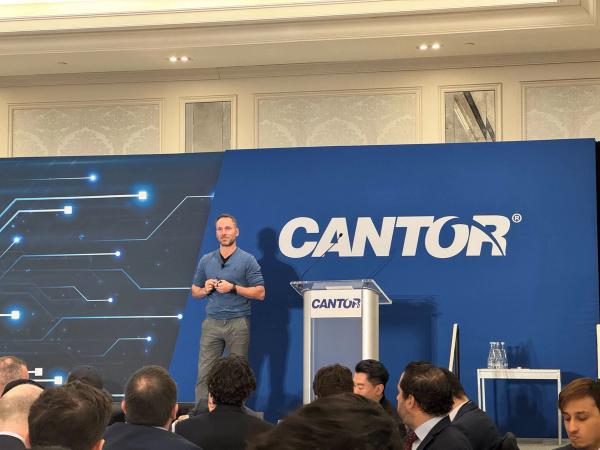
Tether's CEO also spoke remotely at a Washington event, DC Fintech Week, and addressed the senator's report there, as well, last Tuesday. He criticized how it was released to the media before his company could review it.
"I believe it's important for the public also to hear our side of the story," he said.
"Our aim is to push out the bad actors from USDT," Ardoino said. "Those bad actors are moving to other means that are outside of the control of the United States, and now outside of our control."
He added that the work "is not finished," but he said he's happy with Tether's role.
"I wake up in the morning and I look at myself in the mirror, and I know that we're doing the right thing," he said.
The Senate report went back a number of years, focusing in part on the period before 2024 in which it said Tether didn't comprehensively freeze flagged wallets. "This absence of deterrence invited abuse: Terrorist organizations such as Hamas shifted from transacting in bitcoin and a mix of cryptocurrencies to promoting USDT," it said.
Since the report, Blumenthal has additionally been probing the relationship between Tether and its U.S. financial partner, Cantor Fitzgerald, which has close ties to the administration of President Donald Trump. Tether also named Bo Hines, Trump's former White House crypto adviser, as the CEO of its U.S. division last fall.