Nvidia, AMD, Broadcom: The AI Stock Winners and Losers After Jensen Huang’s Ousting

In brief
- Nvidia fell 4.59% after briefly plunging more than 14% following CEO Jensen Huang's resignation.
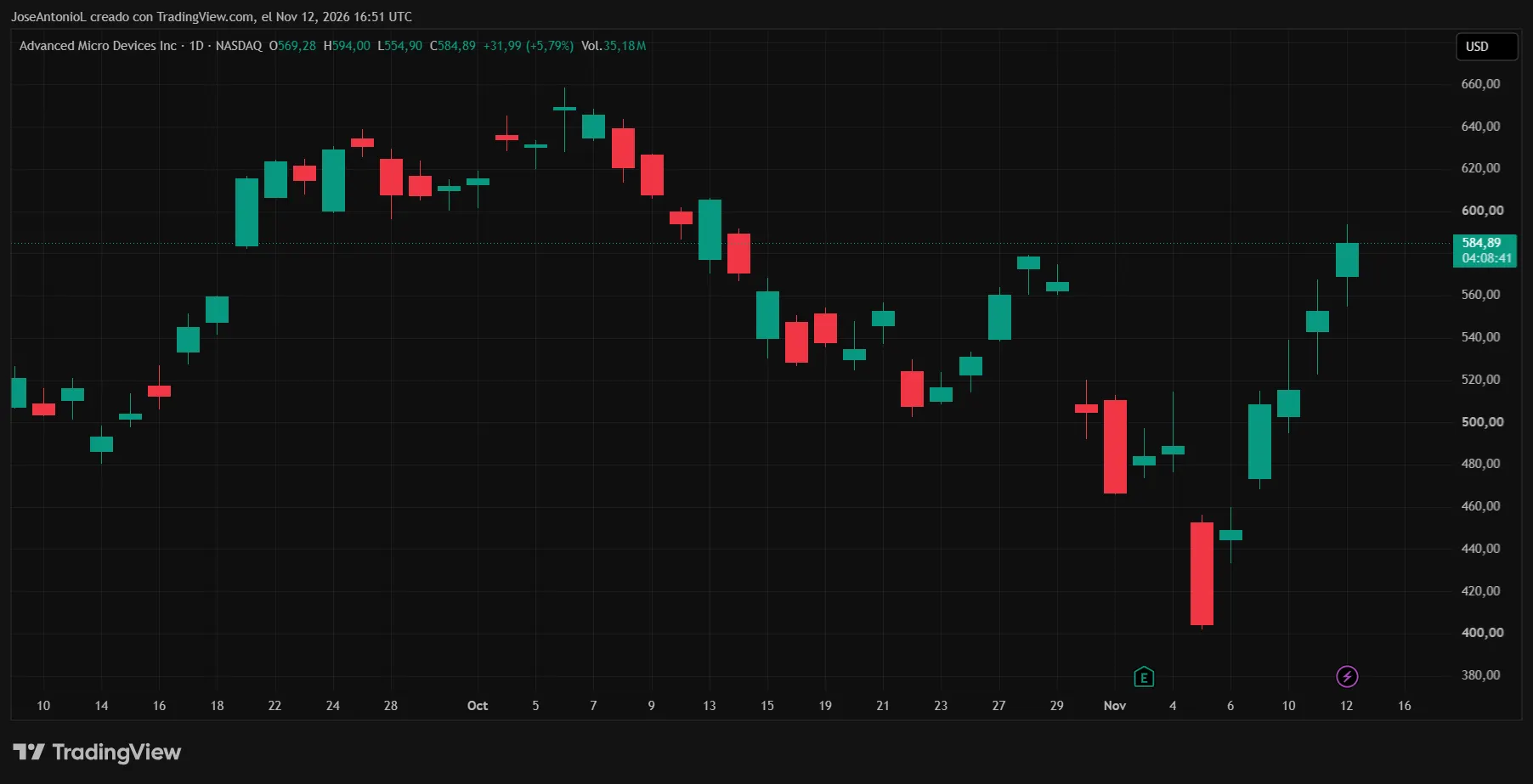
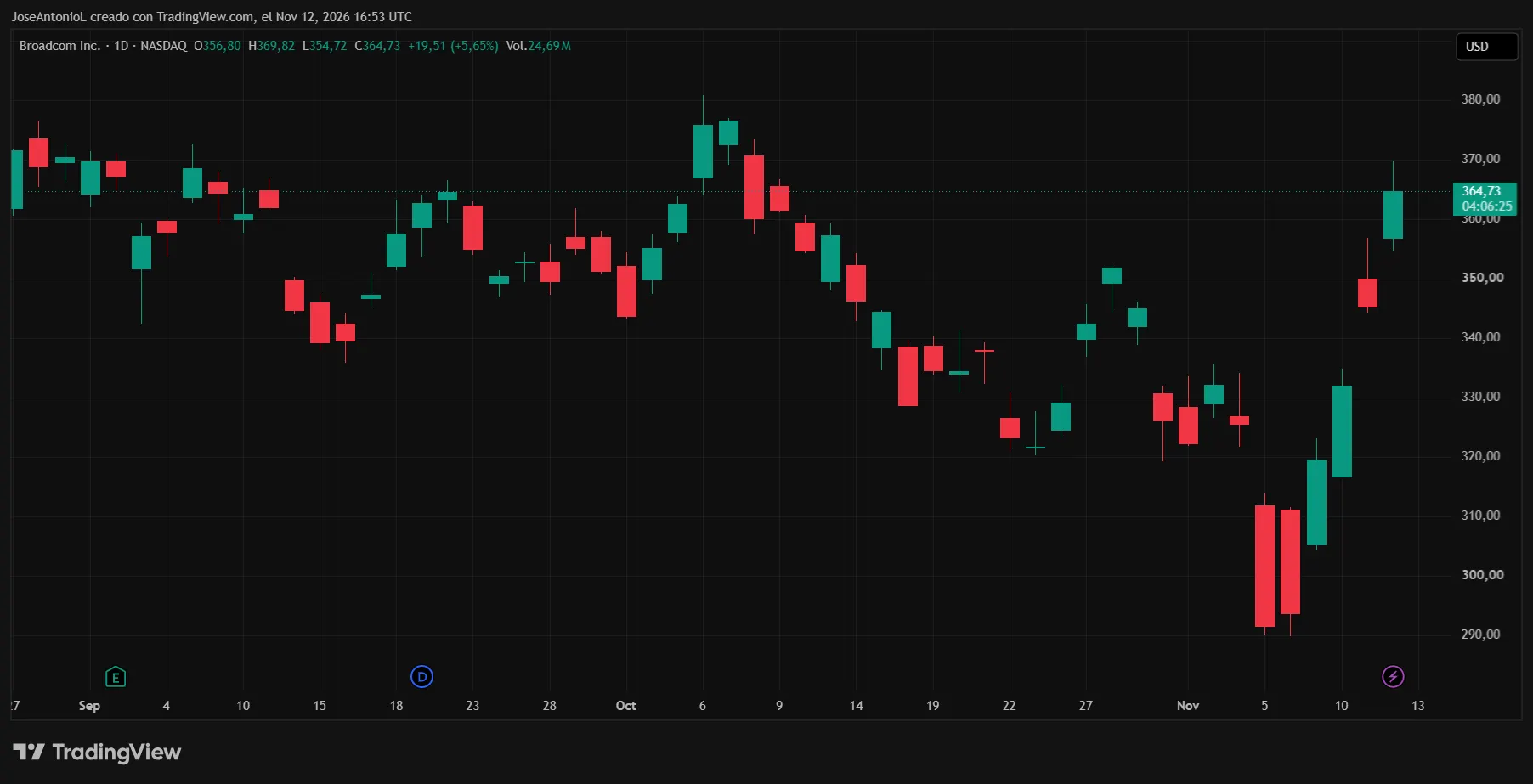
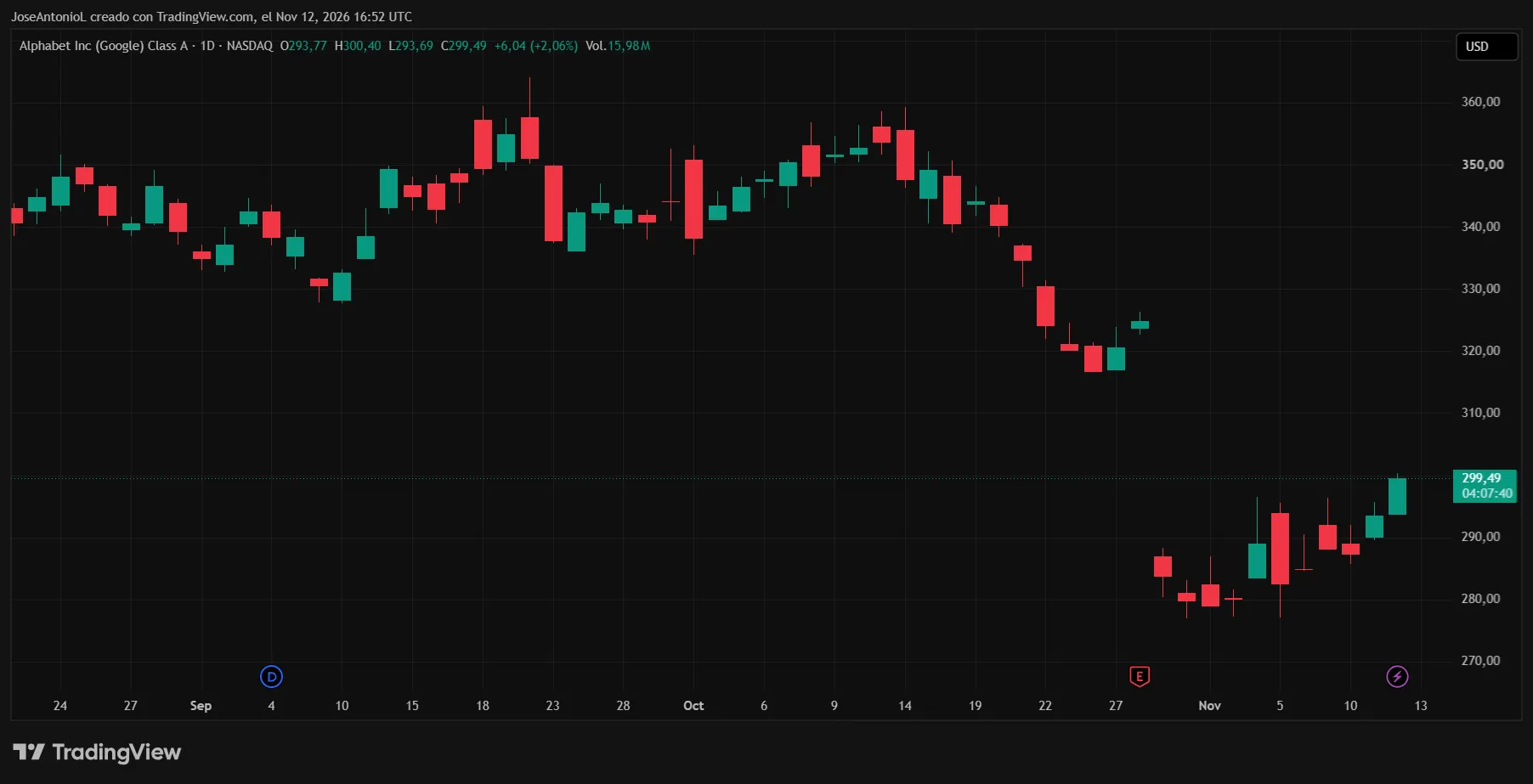
- Competitors AMD and Broadcom gained nearly 6%, while Alphabet rose 2.06%.
- Nvidia-backed CoreWeave lost 7.49%, with semiconductor suppliers TSMC and Micron also declining.
Wall Street is picking winners and losers from Jensen Huang's departure from Nvidia, and the market is treating the chipmaker's competitors considerably better than companies tied to its business.
Nvidia shares fell 4.59% to $165.75 Thursday afternoon, recovering from an opening price of $151.01 and an intraday low of $148.80.
The rebound softened an initial collapse of more than 14%, but the stock remained firmly in negative territory.

The selloff followed Huang's immediate resignation as CEO, president, and board member after reports of extramarital affairs and allegations involving a suspected Chinese intelligence operative. Nvidia named CFO Colette Kress interim CEO, although the company has not established that corporate secrets were compromised.
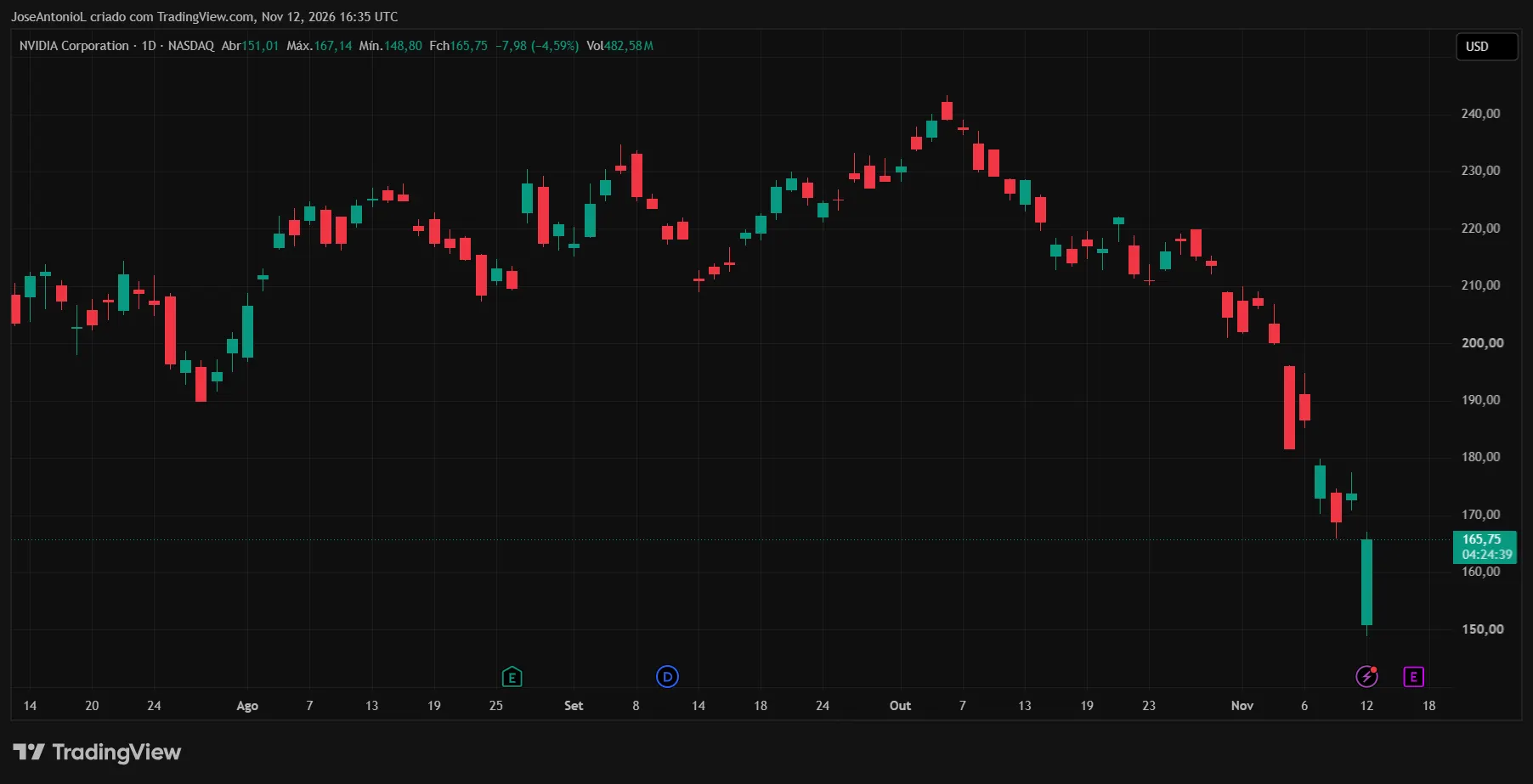
The stock was already in trouble before Huang stepped down. Nvidia had lost approximately $1.27 trillion in market capitalization between October 6 and November 6, raising questions about AI spending even before the leadership crisis intensified.
Nvidia's rivals are having a much better day
AMD climbed 5.79% to $584.89 after opening at $569.28, making it one of the clearest beneficiaries of Thursday's trading.
The company competes directly with Nvidia in AI accelerators, and uncertainty around Nvidia's leadership could make customers more interested in diversifying their chip suppliers.
Broadcom followed a similar trajectory, gaining 5.65% to $364.73 from an opening price of $356.80.
Unlike AMD, which competes through its own GPU products, Broadcom specializes in custom AI processors and networking technology, offering large customers a different way to reduce their dependence on Nvidia.
Google’s parent company Alphabet also advanced, rising 2.06% to $299.49 after opening at $293.77.
Google has been expanding its Tensor Processing Unit business, including two new AI chip systems unveiled Monday that target privacy-sensitive and memory-intensive workloads.
Those alternatives existed before Huang resigned, and Thursday's gains do not establish that Nvidia has lost customers. Investors may simply be pricing in better competitive opportunities if the leadership transition disrupts Nvidia's strategy or customer relationships.
Nvidia's partners are feeling the pain
Nvidia-backed CoreWeave suffered a much rougher session, falling 7.49% to $56.22 after opening at $50.91.
Its decline came just one day after the cloud provider surged 24.7% following quarterly revenue growth of 168%, so this may be just as much a correction after an explosive movement as it is a reaction to Huang’s ousting.
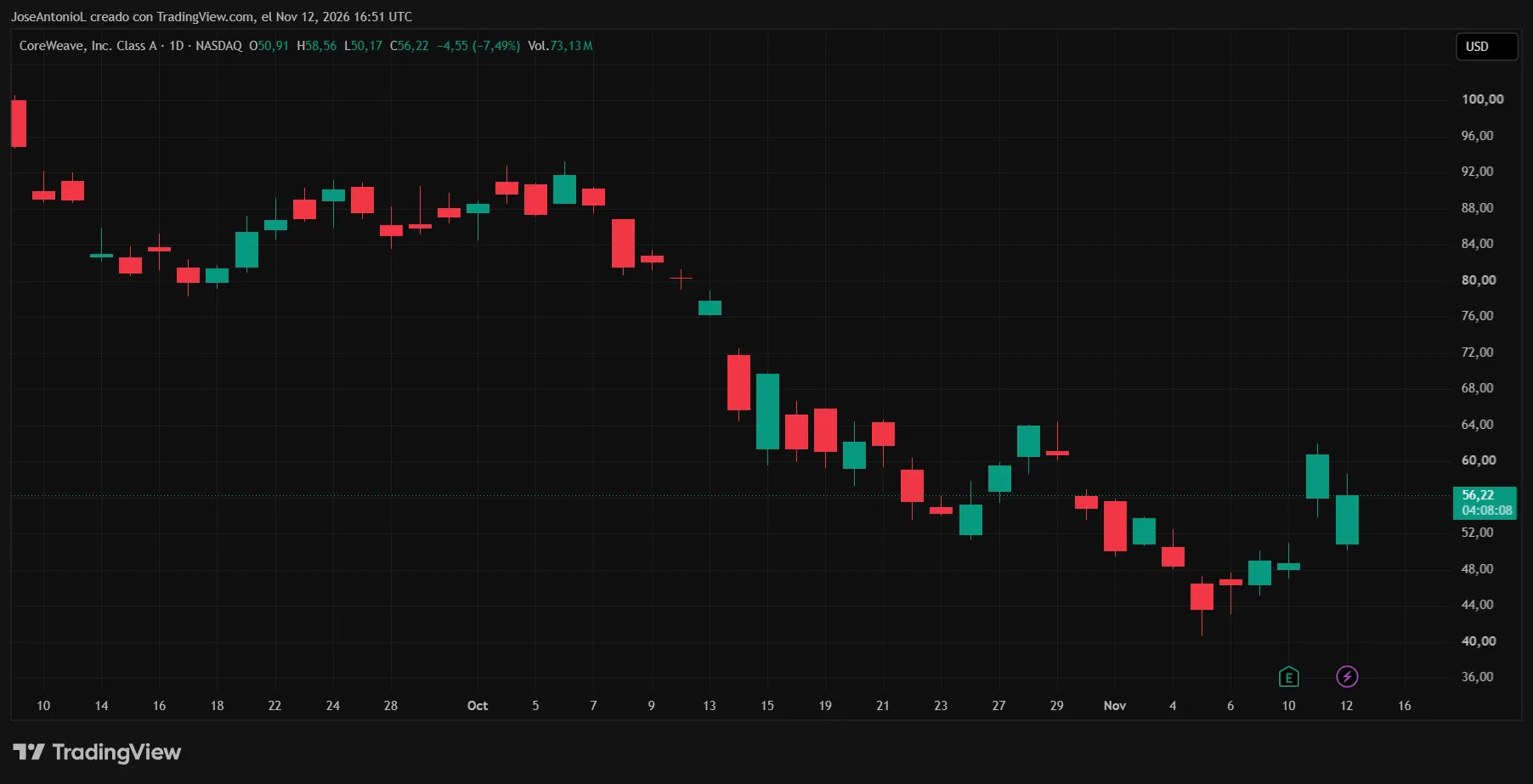
In any case, the relationship between the companies helps explain the anxiety among investors. Nvidia invested another $2 billion in CoreWeave in January and has an initial $6.3 billion agreement to purchase unused computing capacity through April 2032, making it an investor, supplier, and customer of the same company.
Any change in Nvidia's investment priorities could therefore affect CoreWeave beyond ordinary chip purchases, although neither company has announced changes to those agreements.
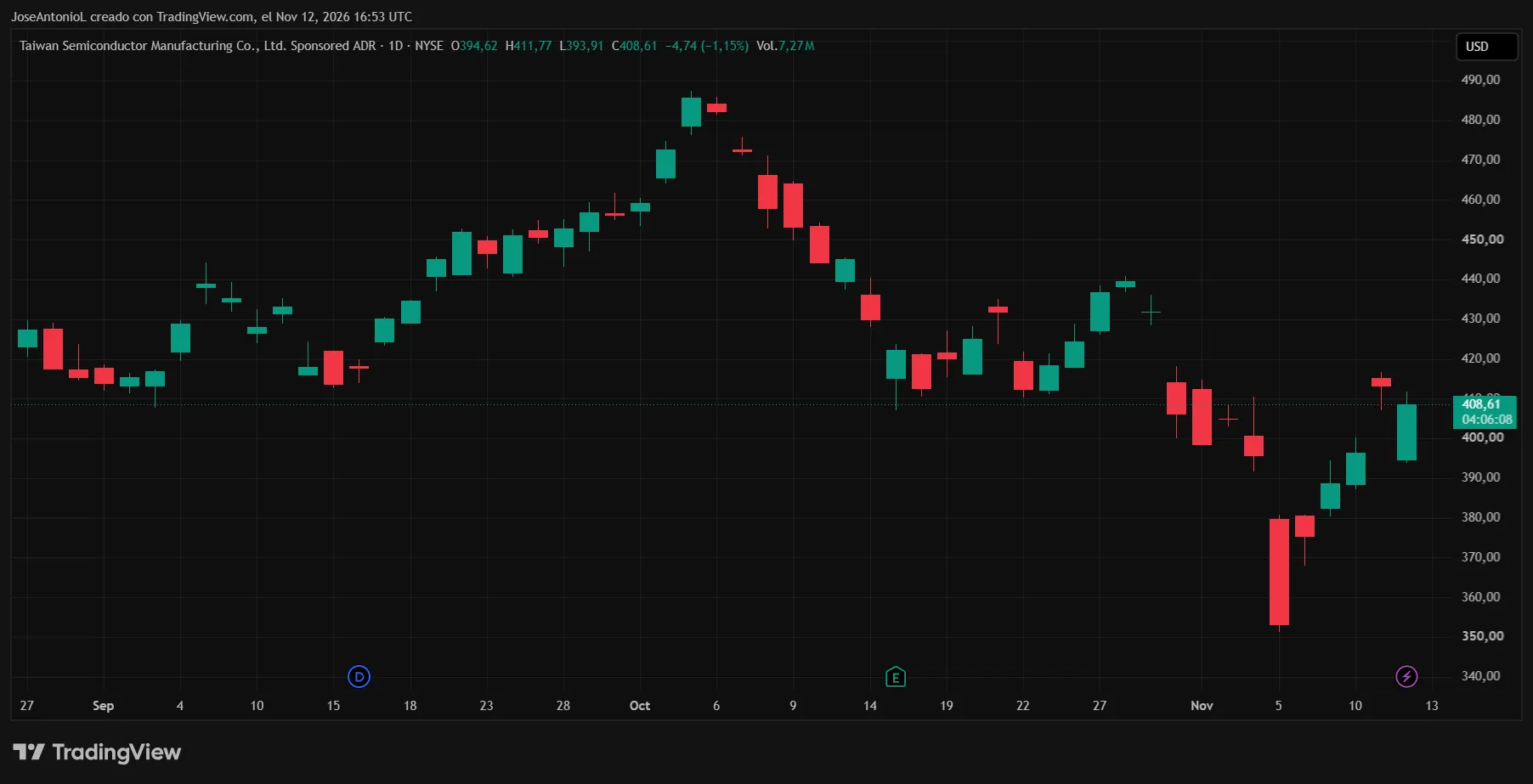
The pressure also reached the semiconductor supply chain. TSMC, which manufactures Nvidia's advanced processors, fell 1.15% to $408.61 after opening at $394.62, while memory supplier Micron lost 2.70%, trading at $789.43 after opening at $769.31.
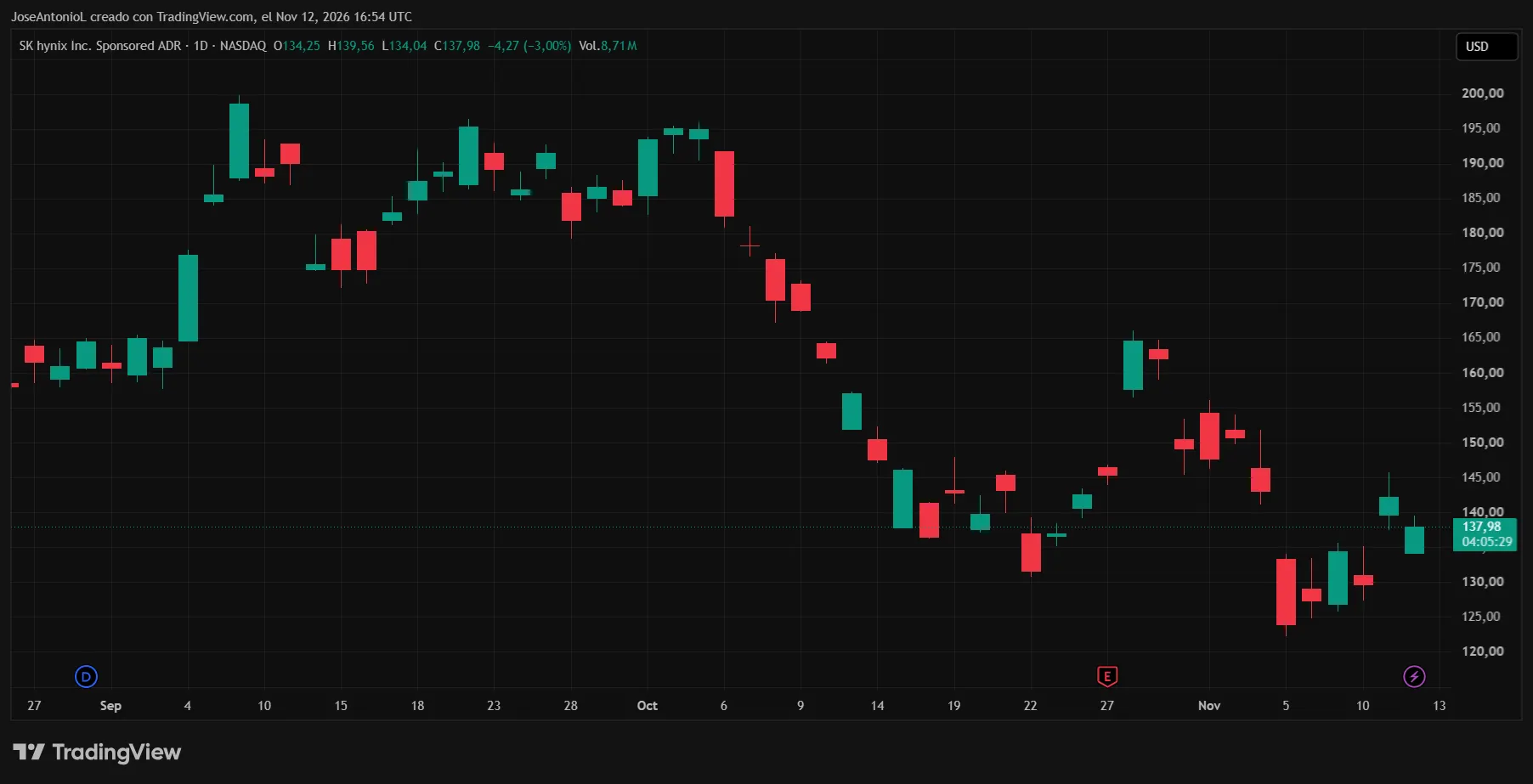
SK Hynix, another major supplier of high-bandwidth memory used in AI hardware, declined 3% to $137.98 from an opening price of $134.25.
These companies depend on broader chip demand, however, so their losses cannot be attributed entirely to Nvidia's leadership problems.
For investors, the immediate concern is less about whether AI chips will stop selling and more about how Nvidia manages its partnerships, financing commitments, and product roadmap without the executive who built much of that network.
Nvidia's board has said it expects operations and customer commitments to continue without interruption. The company is scheduled to report quarterly earnings on November 17, with Kress now leading the business through its first earnings announcement since Huang's departure.
Disclaimer
The views and opinions expressed by the author are for informational purposes only and do not constitute financial, investment, or other advice.
Daily Debrief Newsletter
Start every day with the top news stories right now, plus original features, a podcast, videos and more.