Fed proposes reserve limits, capital standards for stablecoin issuers under GENIUS Act
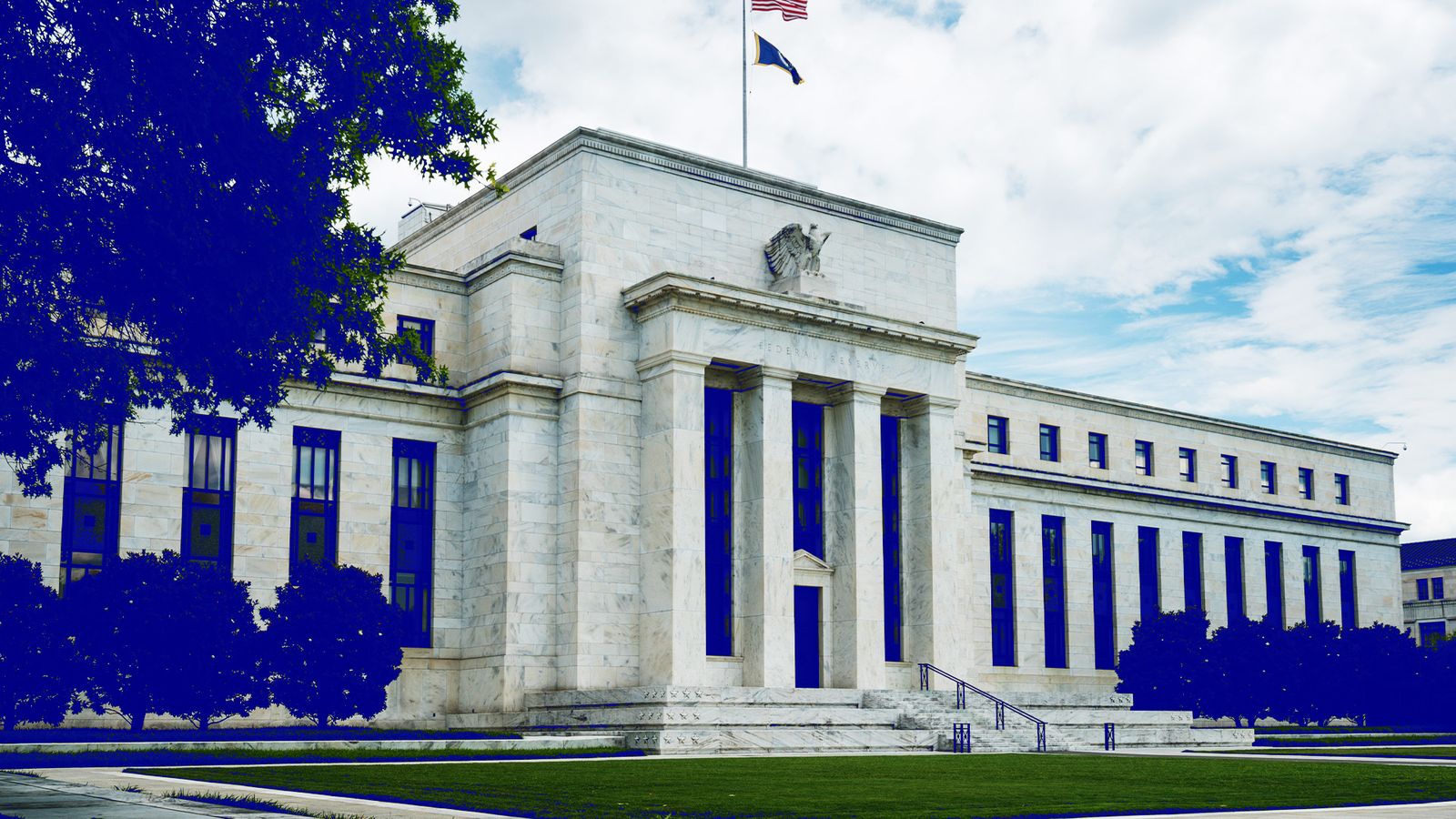
The Federal Reserve proposed new measures for stablecoin issuers, including reserve-asset limits and standardized capital requirements, as the central bank takes another step toward implementing federal stablecoin law signed by President Donald Trump last year.
On Thursday, the central bank proposed requiring that payment stablecoin issuers fully back their stablecoins with short-term Treasury bills or other highly liquid assets. The Fed also proposed creating standardized capital requirements and standards to manage risks. Last, the new changes would create a specific application process for board-supervised banks that want to apply to issue those stablecoins.
The Federal Reserve and federal regulators have been working to implement the Guiding and Establishing National Innovation for U.S. Stablecoins, or GENIUS into law since Trump signed it into law last year. The bill creates a federal regulatory framework for stablecoins, including requiring stablecoins to be fully backed by U.S. dollars or similarly liquid assets and mandatory annual audits.
An initial deadline was set for July, but agencies often take longer to implement new rules. The GENIUS Act has a January 2027 effective date.
Federal Reserve Governor Michael Barr, who has voiced previous concerns about the GENIUS Act, said he supported the latest proposal, but said he wanted to see more done around bank anti-money laundering.
Specifically, Barr said he wants to see a standard "that would prevent the Board from undertaking a supervisory or enforcement action related to an anti-money laundering deficiency unless the issue identified is a 'significant or systemic' issue."
"As is the case on the Board's July proposal, I am concerned that the 'significant or systemic' standard may have unknown effects on the Board's ability to effectively substantiate that an institution establishes and maintains compliant programs," Barr said.