Brazilian companies turned to stablecoins on election day to dodge a currency crash
Stronger opposition in Congress could complicate efforts to address fiscal problems, reinforcing the appeal of assets whose prices are set in global markets, he said.
Corporate concerns materialized the next day, when the benchmark Ibovespa stock index crashed 14% in its worst performance since March 2020 and the dollar jumped more than 8% against the real, its largest daily gain since 1999.
Unexpected turnaround
The response had been different three weeks earlier, when Bolsonaro finished ahead of Lula in the first round of voting. The Ibovespa jumped 7.7% and the dollar weakened more than 4% against the real as investors anticipated a change of government and tighter control over public spending.
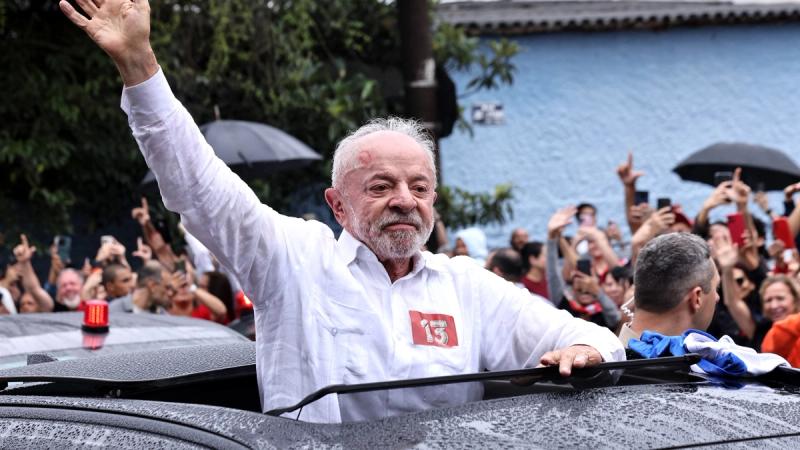
Lula´s victory made him the first presidential candidate in Brazil’s modern democracy to secure a victory after finishing in second place. Even so, Brazil’s companies took a cautious stance.
“The main driver of volume was companies seeking to protect their treasuries,” Mercado Bitcoin said. “Retail customers were responsible for just 22% of trading volume, while MB’s corporate clients generated 78% of the total for Sunday.”
Corporate clients are known to hold up to 15% of their assets on the platform.
The burst of real-denominated trading extended beyond Mercado Bitcoin. Data from Biscoint, which tracks crypto prices and volume across 10 venues including Binance and MB, shows turnover in USDT, the largest stablecoin, against the real rose 150% from the previous Sunday. Volume in USDC, the second-largest, jumped 318%.