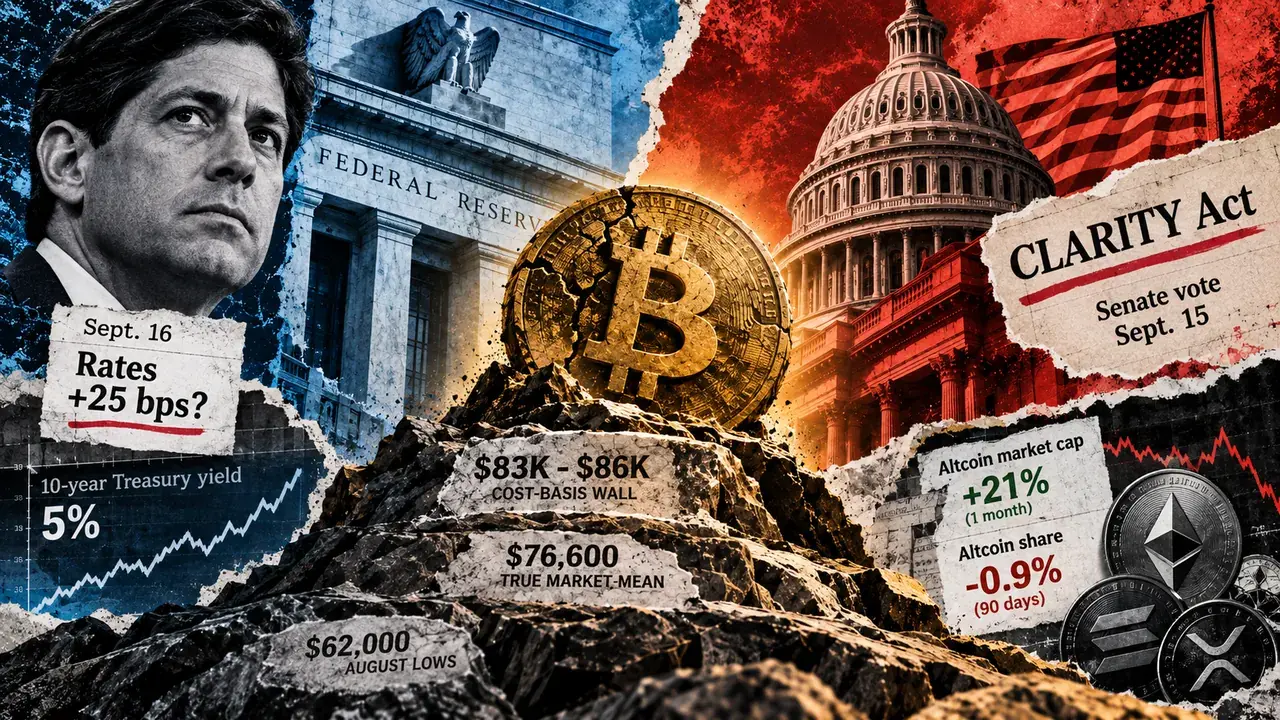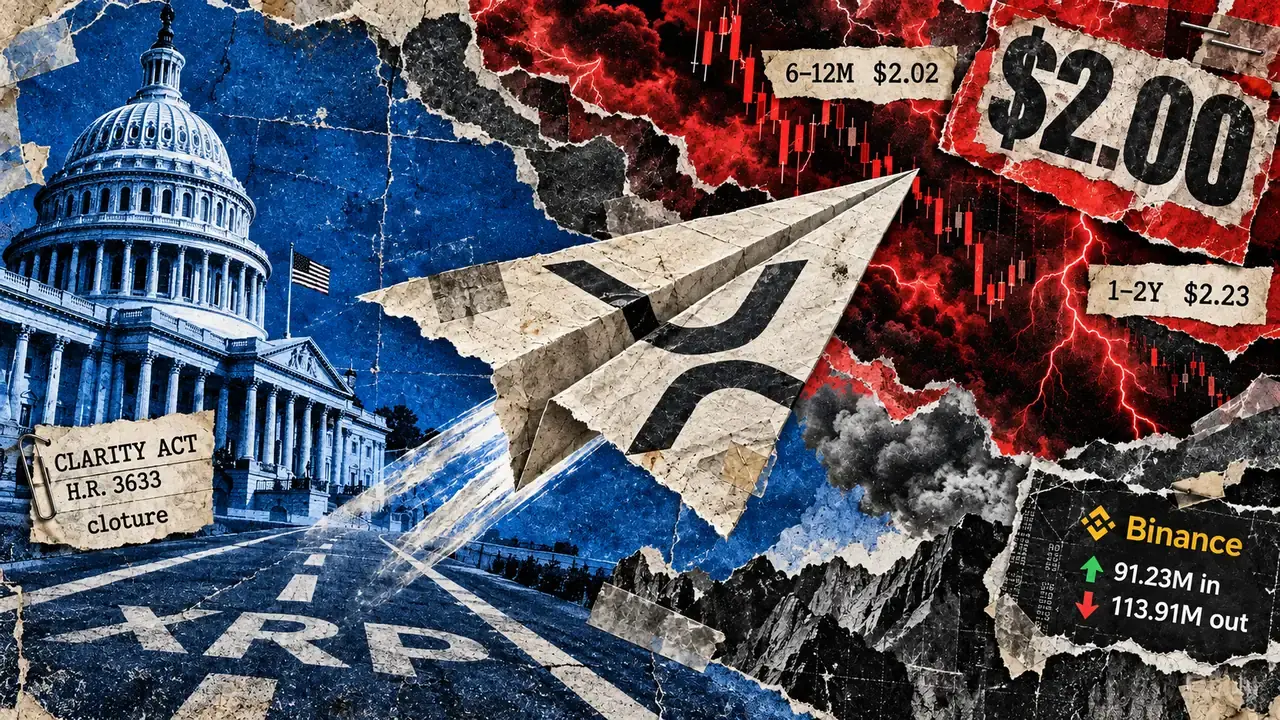
XRP’s path back to $2 now hinges on whether the Senate passes the CLARITY Act
Those groups carry nearly three-quarters of realized capital as Binance sees heavy two-way flows before the Senate’s Sept. 15 CLARITY cloture test.
787 stories · all sources
Those groups carry nearly three-quarters of realized capital as Binance sees heavy two-way flows before the Senate’s Sept. 15 CLARITY cloture test.
A Sept. 25–29 vote would decide the wind-down, while BAL holders’ treasury claim would wait until May 2027.
A projected 4.70% difficulty increase could cut hashprice 4.49% and push older machines below power-only breakeven.
Glassnode reported that altcoin market capitalization climbed 21% over the past month, while altcoins' share of the combined Bitcoin-and-altcoin market fell 0.9 percentage points over 90 days, based on data as of Sept. 7. Capital has moved up the entire…
The American Reserve Modernization Act (ARMA) would put the federal government's Bitcoin reserve into law for the first time. But ahead of its first House committee vote on Sept. 16, the bill has attracted just one Democratic cosponsor, and he…
Under 2026 US rules, transferred coins remain outside mandatory basis reporting even when the investor's purchase cost is unchanged.
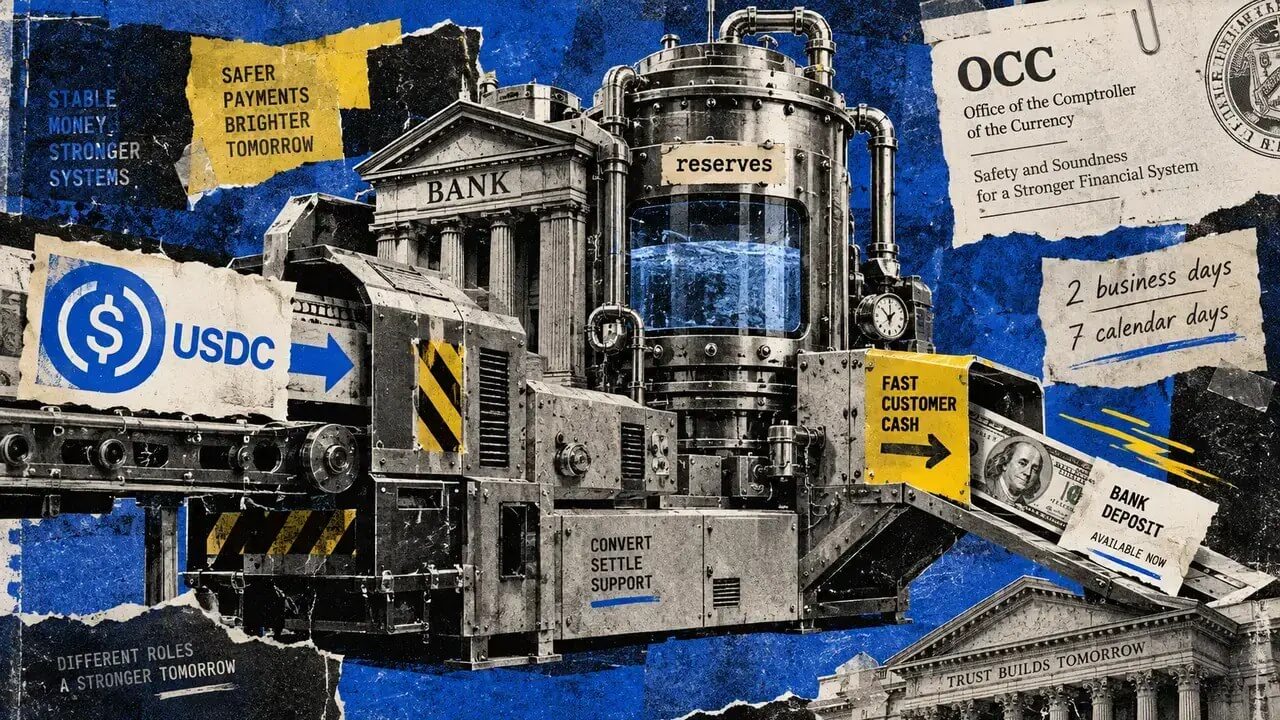
Proposed OCC redemption extensions leave buyers and conversion providers to finance an earlier exit when they pay before recovering dollars.
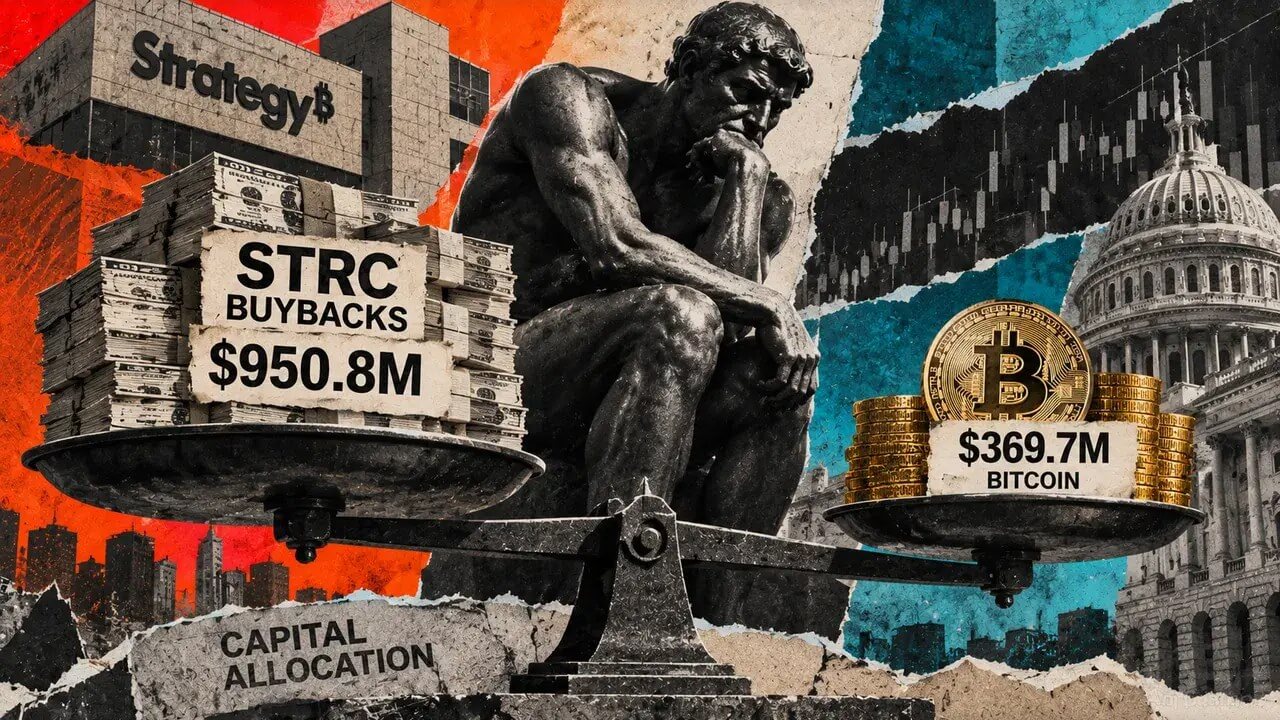
From July 20 to Sept. 13, STRC repurchases absorbed about $2.57 for every $1 Strategy spent buying Bitcoin.
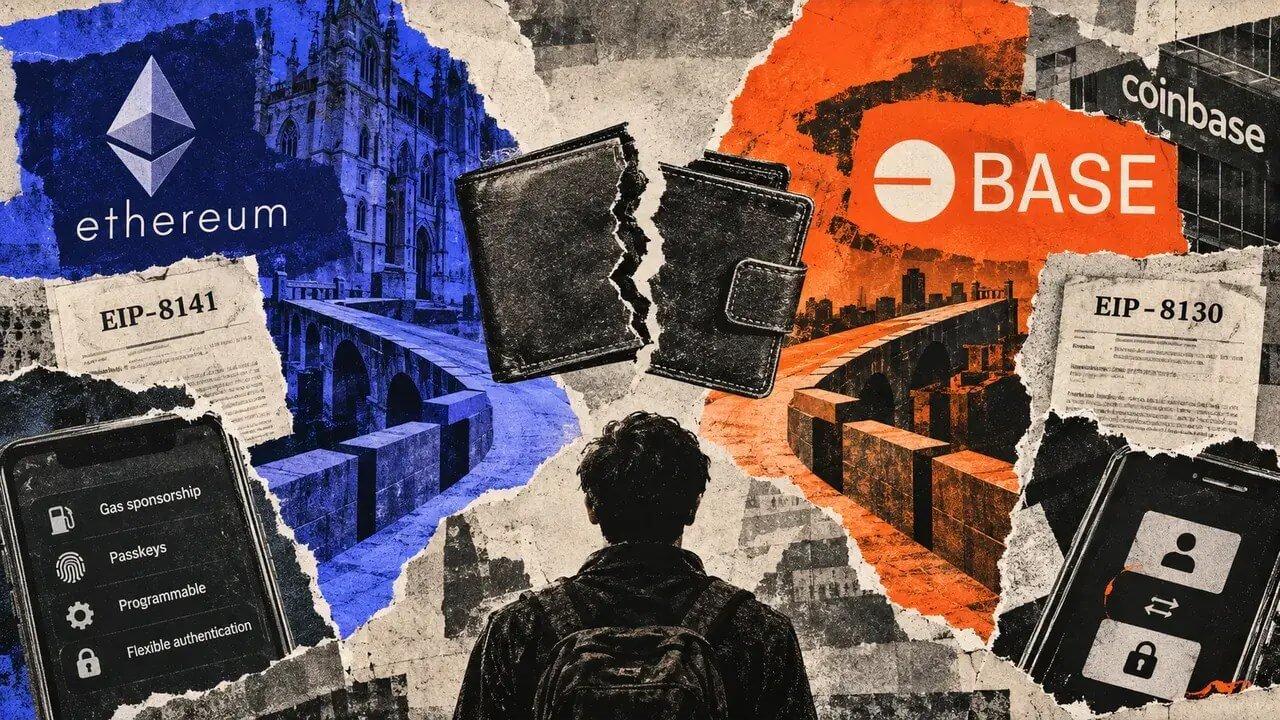
Ethereum and Coinbase-backed layer-2 network Base have abandoned an effort to agree on how the next generation of crypto wallets should work. On Sept. 14, Ethlabs researcher Derek Chiang said collaboration between developers working on Ethereum’s EIP-8141 Frame Transactions and Base’s…
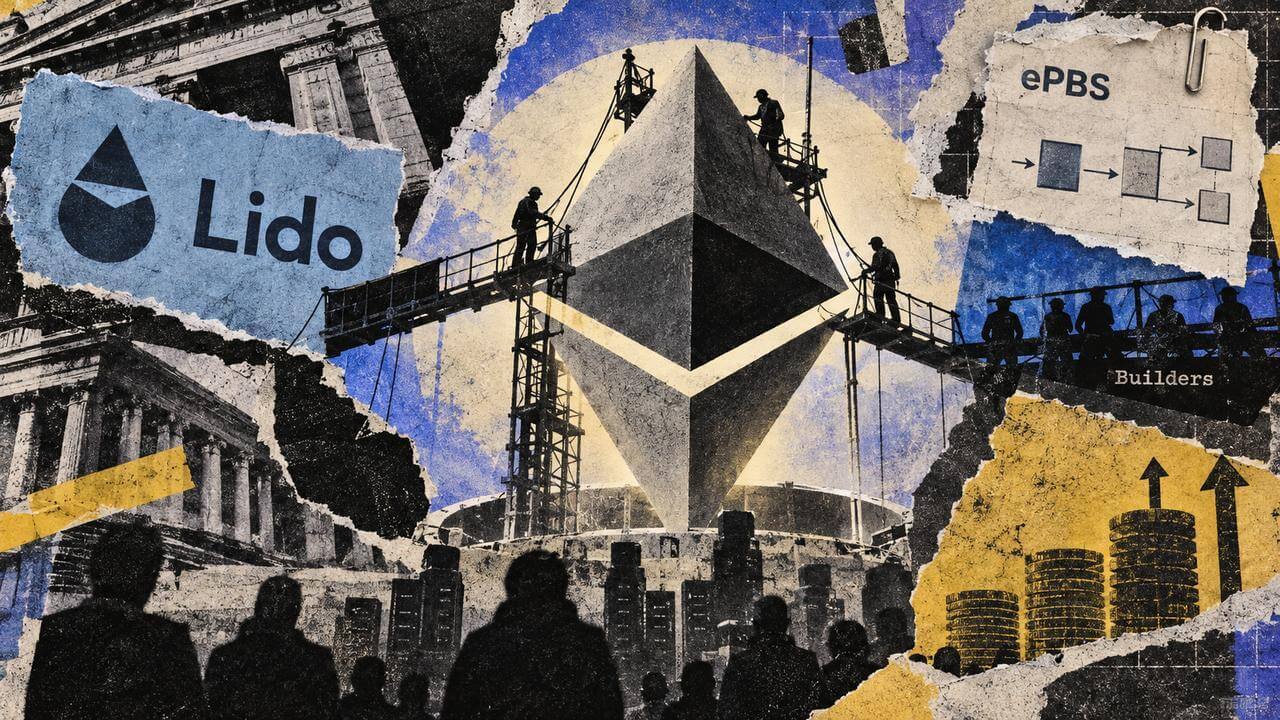
Lido’s ePBS debate exposes costs that could favor trusted payments, while relay auctions may still help builders compete.
Pending sponsorship rules could shift reserves and fees to businesses, whose ability to release capital would depend on user funding and exit rules.
Ahead of the planned Sept. 16 launch, institutional validators offer ledger accountability without a blanket guarantee for applications or losses.