Morgan Stanley's infrastructure partner Zerohash rebuffed in pitch to be U.S. trust bank
Zerohash, which handles crypto plumbing for Morgan Stanley's E*Trade, said it's planning on re-filing and hoping for a swift resolution.
Older stories · all sources
Zerohash, which handles crypto plumbing for Morgan Stanley's E*Trade, said it's planning on re-filing and hoping for a swift resolution.
The $2.25 billion deal expands Goldman’s derivative platform to $130 billion in total ETF assets, taking direct aim at BlackRock's rival BITA fund, according to an analyst.
The firm aims for non-crypto markets to drive over 50% of revenue by 2027, up from 10% currently, as it seeks to diversify its business.
Kalshi is looking to meet institutional demands by adding DoubleZero data to its order book.
USDCx will let users transact without publicly exposing balances, counterparties or transaction histories, while allowing selective disclosure for compliance.
In this week's Crypto Long & Short, LMAX Group's Jenna Wright argues that markets break down not from too little capital but from capital stuck in the wrong place, trapped by settlement cycles while risk reprices by the minute. She…
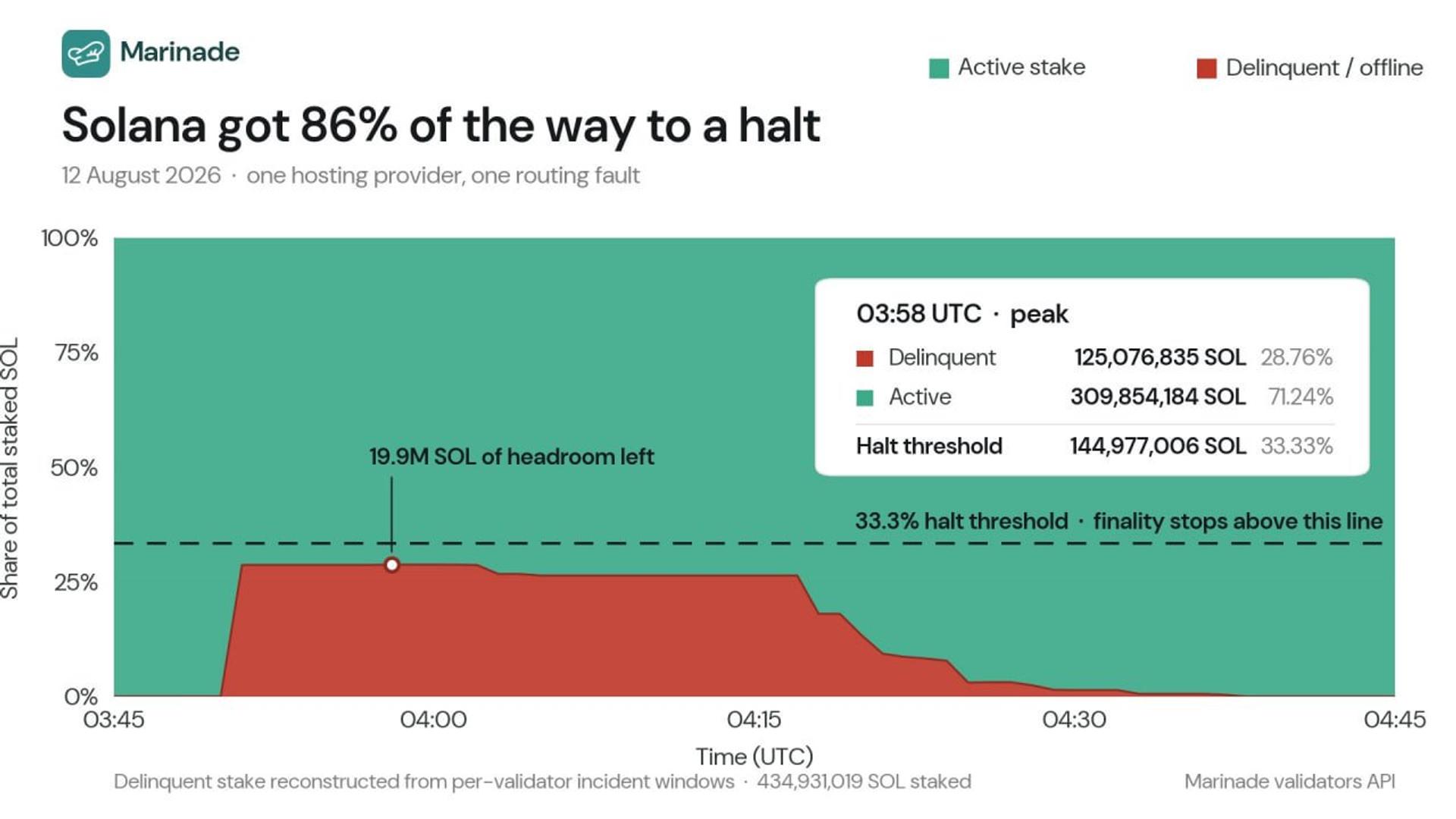
A routing glitch at a major data center provider knocked nearly 29% of Solana’s staked tokens offline, bringing the network within striking distance of a full freeze, while Foundation executives stressed that blocks and transactions never stopped.
HashKey Exchange and OSL Group are now authorized distributors, enabling institutional and professional investors to mint and redeem HKDAP tokens.
If an institution qualifies to participate in America’s banking system, it should have a clear path to America’s payment system, argues Anchorage Digital's Rachel Anderika.
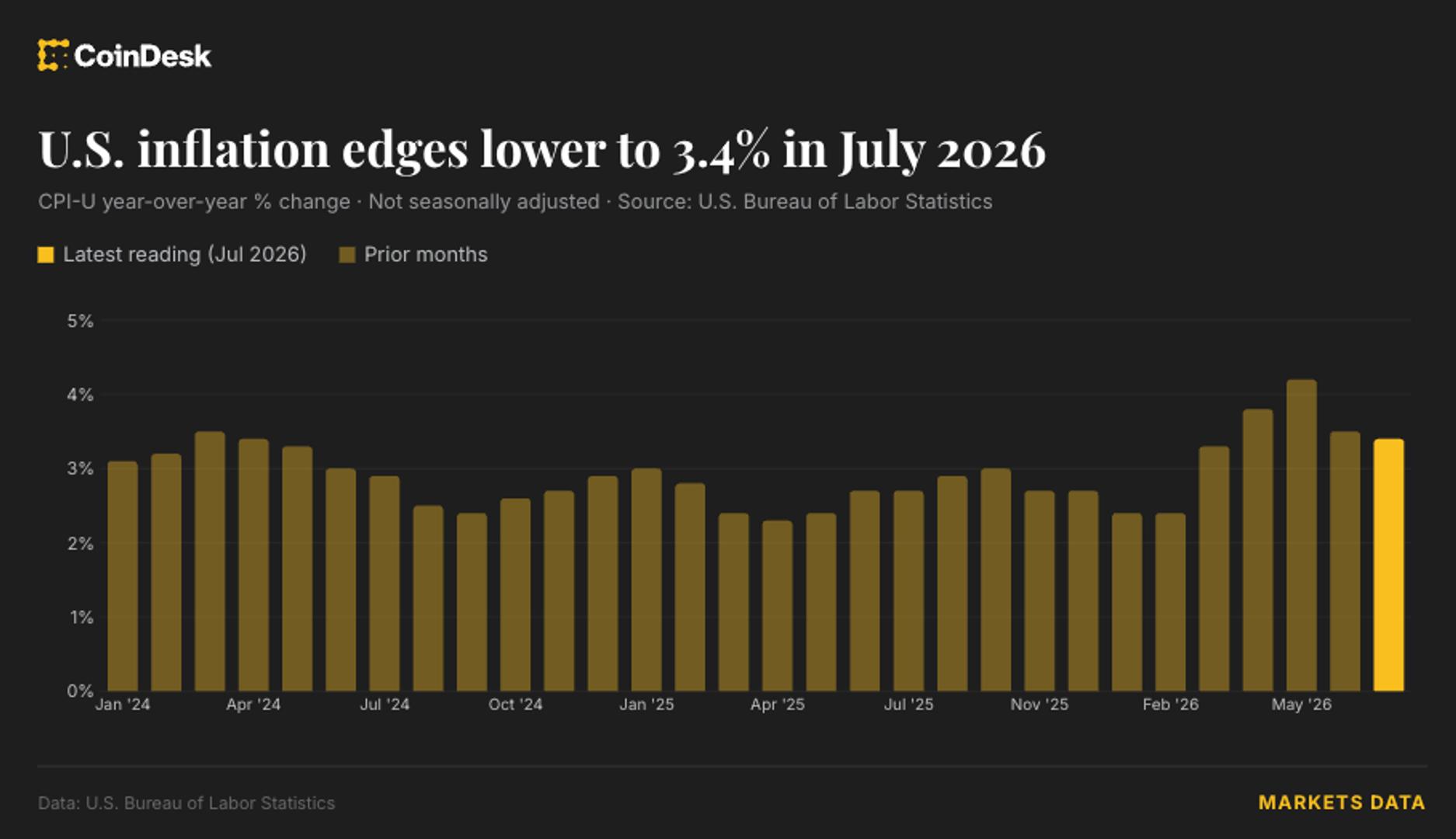
Both headline and core inflation matched economists’ expectations, while bitcoin held near $64,000 and Treasury yields declined.
The flight-tracking company voluntarily dismissed, without prejudice and without sharing a motive for its decision. However, the flight cancellation market never took off with Kalshi users.
Non-qualified investors face a 300,000-ruble (approx. $3,600) annual purchase limit per intermediary, while qualified investors have no cap.